
PHOTO
COOMA doctors are urging locals to be aware of and take precautions against deadly Japanese Encephalitis (JE) - especially those who like camping and spending time in the outdoors or travelling.
Bombala Street Surgery is offering and encouraging vaccinations against the disease, which has recently killed a man in Sydney and reportedly is an ongoing risk in rural and regional areas, specifically west of the Great Dividing Range.
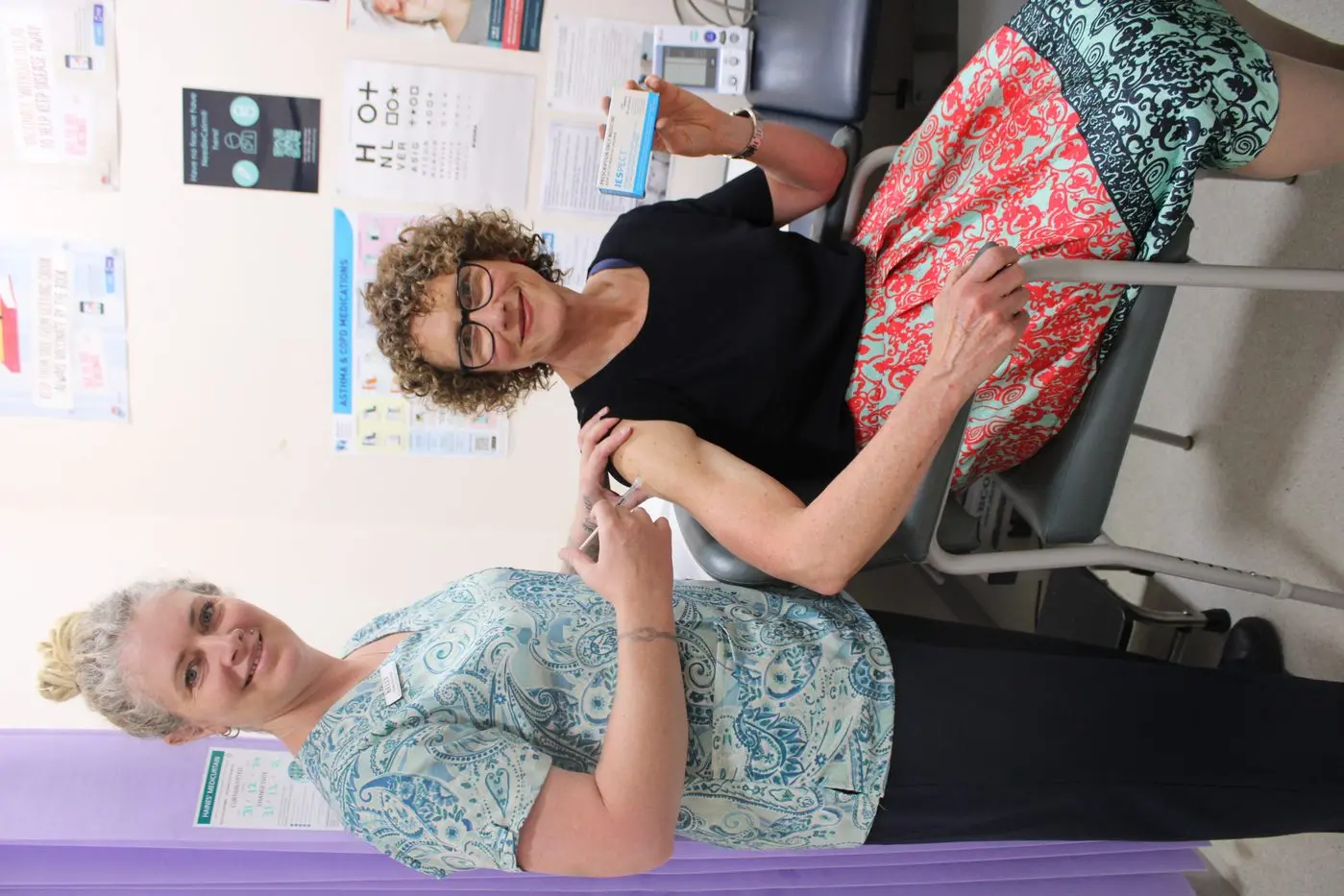
Surgery spokesperson, Kelly Winn, said two safe and effective JEV vaccines were available and some were free.
"Japanese encephalitis virus is an infection spread by mosquitos and in the family of viruses responsible also for dengue fever and yellow fever," she said.
"There is no cure for the disease. Medical help is focused on relieving severe headaches and treating convulsions but sadly some individuals suffer reduced consciousness or death (according to NSW Health)."
NSW Health has warned that the latest fatality, a 70-year-old Sydney man, highlighted the ongoing risk of JEV in rural and regional areas, specifically west of the Great Dividing Range.
"This man's death marks the third death from JEV since it was first detected in NSW in May 2022," a NSW Health spokesperson said.
"Recently there has been a case of JE in a woman located in Northern NSW, who likely acquired the infection on her rural property.
"The Murrumbidgee, Riverina and Southwest Slopes regions remain a focal point of concern due to warm weather and enduring wet conditions that have increased mosquito populations.
"These cases of JEV highlight the importance of people travelling, living or working in affected areas to be taking precautions against mosquitoes (see below) , including vaccinating to prevent JE infection (WHO 2024).
"If you are planning on travelling west of the Great Dividing Range and you plan to spend time outdoors, consider and minimise your risk of being infected with JE."
Imojev is a one-dose vaccine available for use from nine months and older. This is a live vaccine and not recommended for people who are immuno-compromised or are pregnant or breastfeeding
JEspect / Ixiaro is a vaccine requiring two doses for use in infants and children aged less than two months and older. It can be given to those who are immuno-compromised and pregnant women.
Simple tips to reduce mosquito exposure:
● Apply insect repellent containing DEET, picaridin, or oil of lemon eucalyptus;
● Re-apply repellent regularly, especially after swimming;
● Wear long-sleeved clothing, long pants, and closed shoes;
● Avoid outdoor activities at dawn and dusk when mosquitoes are most active;
● Use insect screens on windows and doors;
● Remove standing water around properties to prevent mosquito breeding; and
● Use mosquito nets when camping and ensure tents have proper fly screens.
Ms Winn said JEV vaccine was a safe and effective vaccination available for people aged two months and older.
"Vaccination is recommended for people who are at high risk of catching JE, regularly spend time outdoors placing them at risk of mosquito bites, or are experiencing homelessness, or are living in conditions with limited mosquito protection (eg tents, caravans, dwellings with no insect screens), or are engaging in outdoor flood recovery (clean-up) efforts, including repeated professional or volunteer deployments.
"If you are eligible for a free JE vaccine or want to get vaccinated but do not meet the criteria for a free JEV vaccine, speak to your general practitioner and we will discuss your options.
"At Bombala Street Surgery we carry many vaccinations, including JE for your convenience."
A JEV vaccination is also recommended for people who live in any part of NSW and:
● work, live, or are visiting a piggery, including farm workers and their families (including children aged two months and older) living at the piggery, pig transport workers, veterinarians (including veterinary students and nurses) and others involved in the care of pigs, or a pork abattoir or pork rendering plant.
● work directly with mosquitoes through their surveillance (field or laboratory based) or control and management, and indirectly through management of vertebrate mosquito-borne disease surveillance systems (eg sentinel animals) such as environmental health officers and workers (urban and remote), entomologists.
● all diagnostic and research laboratory workers who may be exposed to the virus, such as people working with JEV cultures or mosquitoes with the potential to transmit JEV.
More information can be found at www.health.nsw.gov.au/infectious/jev/pages/vaccination.aspx